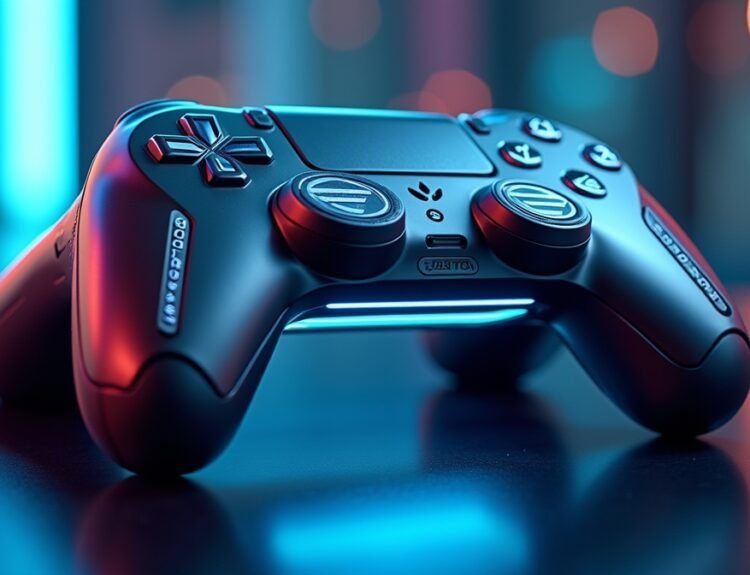
The evolution of gaming hardware has transformed the way players interact with digital entertainment. Compact game sticks, once considered simple plug-and-play devices, have grown into sophisticated platforms capable of delivering high-quality gaming experiences. These devices bridge the gap between casual and advanced gaming by offering flexibility, portability, and customization in a small form factor.
One of the most important aspects of these devices lies in how users interact with them through configuration tools. Proper configuration determines responsiveness, compatibility, and overall enjoyment. Among many configuration frameworks, settings lcfgamestick has emerged as a reference point for users seeking precise control and adaptability.
Understanding how these configuration systems function helps users unlock the full potential of their gaming hardware while avoiding common pitfalls that reduce performance or stability.
The Role of Configuration in Gaming Performance
Game performance is influenced by a combination of hardware capability and software optimization. While hardware defines raw power, configuration dictates how effectively that power is utilized. Input responsiveness, display scaling, audio synchronization, and controller mapping are all dependent on thoughtful configuration choices.
Configuration systems allow players to align the device with their personal preferences and environmental limitations. For example, latency-sensitive players benefit from optimized input timing, while casual users may prioritize ease of navigation and accessibility.
In many modern devices, settings lcfgamestick acts as the central control hub where these adjustments are applied, enabling gamers to fine-tune performance without requiring advanced technical knowledge.
Core Elements of Game Stick Configuration
Understanding the foundational elements of configuration helps users make informed decisions. These elements typically fall into several categories.
Display and Resolution Management
Display settings influence clarity, aspect ratio, and compatibility with different screens. Improper resolution choices can cause distortion or unnecessary strain on hardware resources. A balanced configuration ensures visuals remain sharp while maintaining smooth frame delivery.
Input Mapping and Controller Sensitivity
Controller customization is crucial for gameplay comfort. Sensitivity adjustments, button remapping, and response curves allow players to tailor controls to their playstyle. Competitive players often require tighter control parameters, while casual users prefer forgiving input behavior.
Audio Output Configuration
Sound settings affect immersion and spatial awareness. Proper balance between background music, sound effects, and dialogue ensures a richer experience. Configuration systems allow users to align audio output with external speakers or headsets.
Many users rely on settings lcfgamestick to manage these elements cohesively within a single interface.
Initial Setup and Configuration Process
The initial setup process is often the first interaction users have with a game stick’s configuration system. A well-designed setup process simplifies onboarding while providing essential customization options.
During initial configuration, users typically select language preferences, display output formats, and controller profiles. These foundational choices influence all subsequent interactions with the device.
Using settings lcfgamestick during setup ensures that defaults are optimized for common use cases while still allowing advanced customization later how to set up lcfgamestick.
Customization for Different Gaming Styles
Different players have different expectations. Configuration systems must support a wide range of playstyles, from casual gaming sessions to competitive environments.
Casual Gaming Preferences
Casual players often prioritize simplicity and ease of use. Automatic configurations, preset profiles, and minimal manual adjustments reduce friction and enhance enjoyment.
Competitive and Advanced Play
Advanced players seek precision. Custom input timing, performance prioritization, and manual tuning are essential for maintaining an edge. Fine-grained control options allow these players to create configurations that match their reflexes and habits.
For both types of users, settings lcfgamestick provides scalable complexity, allowing simple setups or detailed tuning as needed.
Performance Optimization Techniques

Performance optimization ensures that games run smoothly and consistently. Configuration plays a key role in achieving this balance.
Resource Allocation
Optimizing how system resources are allocated prevents bottlenecks. Adjusting background processes and prioritizing game execution improves stability.
Frame Rate Stability
Consistent frame rates are more important than high peaks. Configuration tools allow users to cap frame rates or adjust rendering settings to maintain smooth gameplay.
Thermal and Power Considerations
Compact devices generate heat more quickly. Proper configuration helps manage thermal output and power consumption, extending hardware lifespan.
Through settings lcfgamestick, users can apply these optimizations without compromising usability.
Accessibility and User-Friendly Design
Accessibility is an increasingly important aspect of gaming. Configuration systems must accommodate players with diverse needs.
Visual Accessibility Options
Options such as text scaling, contrast adjustments, and color filters improve visibility for users with visual impairments.
Input Accessibility
Customizable controls allow players with limited mobility to adapt input methods. Simplified layouts and alternative control schemes broaden accessibility.
Audio Assistance
Audio cues, subtitles, and adjustable sound levels ensure inclusivity for users with hearing challenges.
By centralizing these options, settings lcfgamestick supports inclusive gaming experiences.
Troubleshooting Common Configuration Issues
Even well-designed systems encounter issues. Knowing how to troubleshoot configuration problems saves time and frustration.
Input Lag and Response Issues
Input lag often results from mismatched display or controller settings. Adjusting refresh rates and sensitivity usually resolves these issues.
Display Compatibility Problems
Black screens or distorted visuals may occur due to incorrect resolution settings. Resetting to safe defaults helps restore functionality.
Audio Sync Errors
Audio delays can disrupt immersion. Reconfiguring output formats or restarting audio services often corrects synchronization problems.
Many users rely on settings lcfgamestick as the primary tool for diagnosing and resolving such issues efficiently.
Security and Parental Controls
Game sticks are increasingly used by families, making security and parental controls essential.
User Profiles and Restrictions
Multiple profiles allow different users to maintain separate settings and preferences. Parental controls limit access to age-inappropriate content.
Time Management Features
Usage limits help promote healthy gaming habits. Configuration systems can enforce playtime schedules and breaks.
Purchase and Content Restrictions
Restricting in-game purchases and downloads prevents unintended expenses or exposure.
These features are typically managed through settings lcfgamestick, offering peace of mind to guardians.
Software Updates and Configuration Stability
Regular updates improve functionality but can also affect existing configurations.
Managing Updates
Automatic updates ensure security and feature enhancements. However, users should review update notes to understand changes.
Preserving Custom Configurations
Backup and restore options prevent loss of personalized settings after updates. This ensures continuity and convenience.
Compatibility Adjustments
Updates may introduce new features or deprecate old ones. Configuration systems must adapt while maintaining backward compatibility.
Using settings lcfgamestick, users can manage updates while preserving stability and personalization.
Best Practices for Long-Term Use
Long-term satisfaction with a game stick depends on consistent maintenance and thoughtful configuration management.
Regular Reviews of Settings
Periodically reviewing configurations ensures alignment with evolving preferences and game requirements.
Avoiding Over-Optimization
Excessive tuning can reduce stability. Balanced configurations often deliver the best results.
Staying Informed
Understanding new features and configuration options helps users take full advantage of system improvements.
These best practices are easily implemented through settings lcfgamestick, which consolidates essential tools in one place.
Future Trends in Game Stick Configuration
The future of configuration systems is shaped by emerging technologies and user expectations.

Artificial Intelligence Assistance
AI-driven recommendations will simplify configuration by automatically adjusting settings based on usage patterns.
Cloud-Based Profiles
Cloud synchronization will allow users to access their configurations across devices seamlessly.
Enhanced Customization Interfaces
Improved interfaces will make advanced configuration accessible to all users, regardless of technical expertise.
As these trends evolve, settings lcfgamestick is expected to adapt and incorporate smarter, more intuitive controls.
The Importance of User Education
Education empowers users to make informed configuration decisions.
Tutorials and Guided Setup
Interactive tutorials reduce the learning curve and prevent common mistakes.
Community Knowledge Sharing
User communities contribute valuable insights and best practices.
Documentation and Support
Clear documentation enhances user confidence and self-sufficiency.
Educational resources often reference settings lcfgamestick as a core component of effective configuration management.
Conclusion
Game sticks represent a powerful blend of portability and performance, offering flexible gaming experiences for diverse audiences. The true value of these devices lies not only in their hardware but also in how effectively users configure them. Thoughtful configuration enhances performance, accessibility, security, and long-term satisfaction.
By centralizing essential controls and customization options, settings lcfgamestick plays a vital role in enabling users to tailor their gaming environment to their needs. From initial setup to advanced optimization, this configuration framework supports a wide range of playstyles and preferences.
As gaming technology continues to evolve, configuration systems will remain a cornerstone of user experience. Players who invest time in understanding and refining their settings are rewarded with smoother gameplay, greater control, and a more immersive connection to the games they love.